
Beyond Chemicals: Implementing IPMS for Long-Term Stored Product Pest Prevention
For a warehouse operator in Singapore, the word “pest” doesn’t just mean a nuisance; it means risk. It means a potential product recall, a failed audit, compensation, or a violation of local health and safety regulations.
You know that relying solely on routine, calendar-based treatment is a reactive, costly, and ultimately insufficient strategy. It only kills what’s visible, leaving the root cause—the pest access and harborage—untouched. This is especially true for Stored Product Pests (SPPs) like Indianmeal Moths and Cigarette Beetles, which contaminate goods, reduce stock quality, and damage your reputation.
The solution is not more chemicals. The solution is an Integrated Pest Management System (IPMS), a scientific, proactive strategy designed for long-term prevention and total supply chain trustworthiness.
The Real Threat: The Cost of a Single Infested Pallet
Warehouse operators often face the challenge of insufficient manpower for thorough checks. This creates a critical vulnerability: incoming goods.
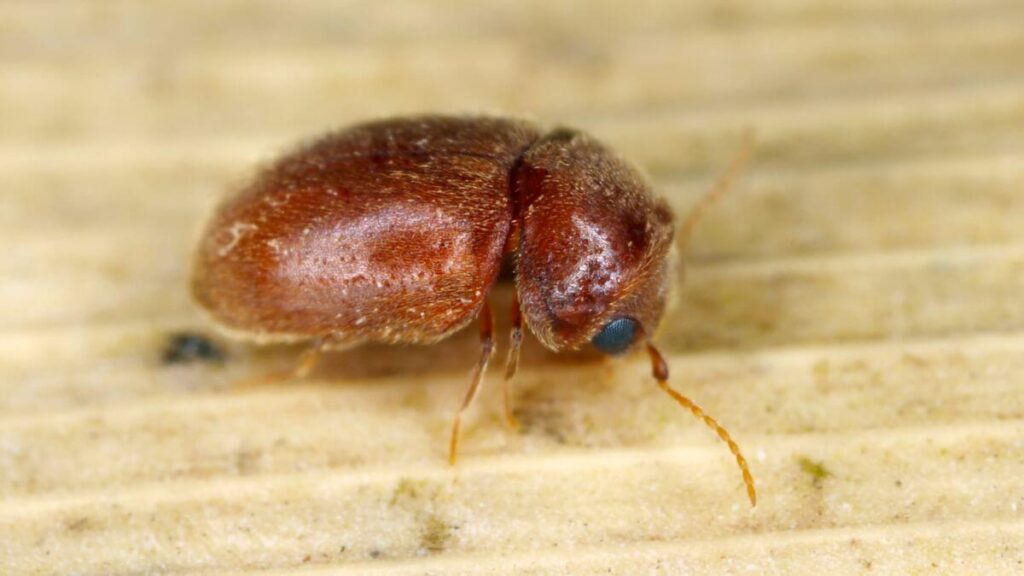
Imagine a shipment arrives containing even a small hidden population of Cigarette Beetles. These pests are notorious because they can quickly bore right through product packaging like cardboard, foil, and even paper, quickly spreading their contamination to other stock. A single unchecked pallet can lead to an entire row of inventory being declared unusable, jeopardizing a delivery schedule and resulting in a major financial hit.
This illustrates the need for a system that prevents pests from entering and rapidly detects them if they do.
The Four Pillars of A-Flick’s IPMS Strategy
Our approach moves from reactive spraying to a proactive, layered defense system. This scientific framework maximizes effectiveness while minimizing risk to your products, personnel, and the environment.
1. Prevention (Exclusion and Sanitation)
Prevention is the cornerstone of IPMS, prioritizing the removal of conditions pests need to survive.
- Exclusion is Key: We begin with a structural audit. A-Flick identifies and advises customers on necessary fixes to all structural deficiencies—the lighting that attracts flying insects from outside, air curtain that prevent intruding insects, vents, dock doors—that allow pests, particularly mobile beetles, to enter the warehouse. If they can’t get in, they can’t become a problem.
- Sanitation: This is a non-negotiable first line of defense. It means eliminating food sources (spills, product dust, damaged stock) and moisture. Implementing a First In, First Out (FIFO) stock rotation system prevents products from sitting long enough to become SPP breeding grounds.
2. Monitoring: Your Early Warning System

You cannot manage what you do not measure. Monitoring is the crucial step that informs all other actions, allowing for targeted intervention only when necessary.
- Dual Trapping Strategy: We deploy a combined system of:
- Pheromone Traps: These lure specific SPP species (like moths and beetles) using synthetic scents, helping us to identify the pest and pinpoint the infestation source.
- UV Light Traps: Used strategically to capture flying insects, giving an overall indicator of insect activity levels near entry points or high-risk areas.
- Inspection Logs: Detailed logbooks and digital reports record every pest sighting and trap catch. This documentation is essential for audit compliance and allows us to track pest pressure over time.
3. Action Thresholds
An Action Threshold is the pre-defined point at which the number of pests detected warrants a full control action. The baseline level is established by A-Flick and agreed upon with the client based on the actual surrounding environment.
- This principle moves us away from unnecessary, scheduled chemical treatments. If monitoring detects a pest level below the action threshold, we reinforce sanitation and continue to monitor, saving you money and reducing contamination and environmental risk.
4. Control (Strategic & Minimal Intervention)
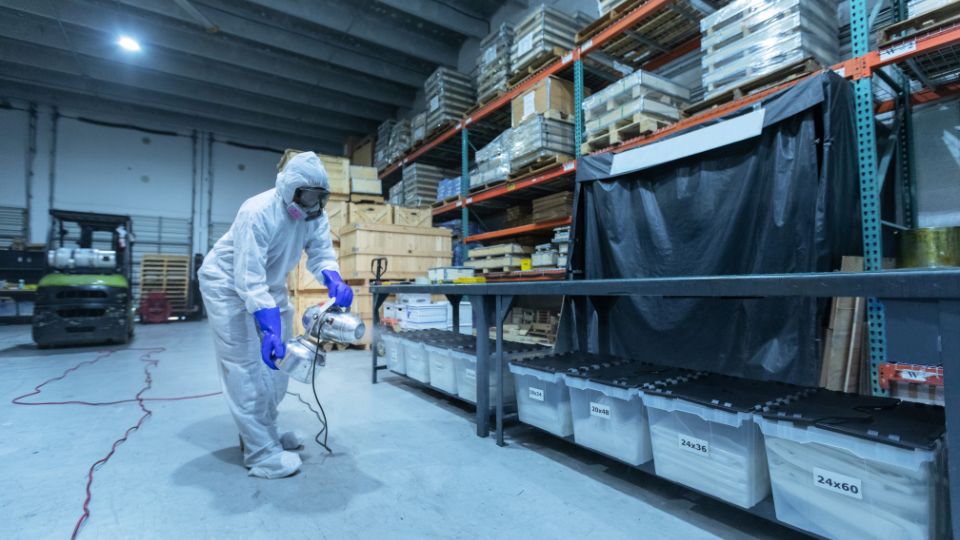
When the action threshold is crossed, we enact a targeted control measure which is pre-agreed with the client.
- Mechanical/Physical: This includes identifying root causes, quarantine and targeted clean-up for highly localized SPP issues.
- Chemical: If an infestation is widespread and exceeds the threshold, we may recommend a targeted space spray application to bring the population down rapidly.
- Fumigation: This is the last resort when saving the commodity is required. While effective for eliminating pests deep within stored commodities, commodity fumigation is generally not done in Singapore due to its high logistical hurdles and costs. For example, a dedicated fumigation zone needs to be allocated to treat the commodities, which will be inaccessible for several days.
A-Flick’s Commitment to Quality Pest Management
Our expertise in IPMS is your greatest defense. We work as consultants to your maintenance and operations team, providing the detailed training, documentation, and structural audit advice needed to create an impenetrable defense system. We ensure your pest management protocols stand up to the most stringent audits, securing your business’s reputation and compliance record.
In Singapore’s competitive logistics landscape, an IPMS is not just good policy—it’s smart business. Don’t let a small beetle from a single pallet shut down your operation.
Secure Your Stock, Secure Your Business.
Contact A-Flick today for a comprehensive IPMS audit and consultation to implement a modern, proactive pest management program for your warehouse.