The 9 DIY Pest Control Remedies You Must Stop Using
Every homeowner in Singapore has tried a quick fix for a pest problem. You spot a cockroach, or maybe a few ants, and instinctively reach for a household item or a cheap gadget promising instant relief. It’s natural to want a speedy, budget-friendly solution.
However, when it comes to pests in a tropical environment like ours, a temporary deterrent is never an effective solution. Many popular DIY methods don’t just fail; they can actually pose health risks, violate local regulations, or worsen the hidden infestation lurking beneath the surface.
At A-Flick, we don’t just kill pests—we provide scientifically proven methods using NEA-licensed products. As an ISO 9001 and ISO 45001 certified company, we deliver results you can trust.
Here is the list of 9 common DIY pest control remedies that you should stop wasting money on.
1. Electronic or Ultrasonic Repellers: The Myth of the Sound Wave
These gadgets plug into the wall and emit high-frequency sound waves, claiming to drive away rodents and insects.
The Problem: Decades of scientific research have shown these devices to be largely ineffective. While pests might initially react to a new sound, they quickly habituate (get used to it). Furthermore, the sound waves often don’t penetrate walls, furniture, or cluttered areas where pests nest. You are wasting your money on a placebo.
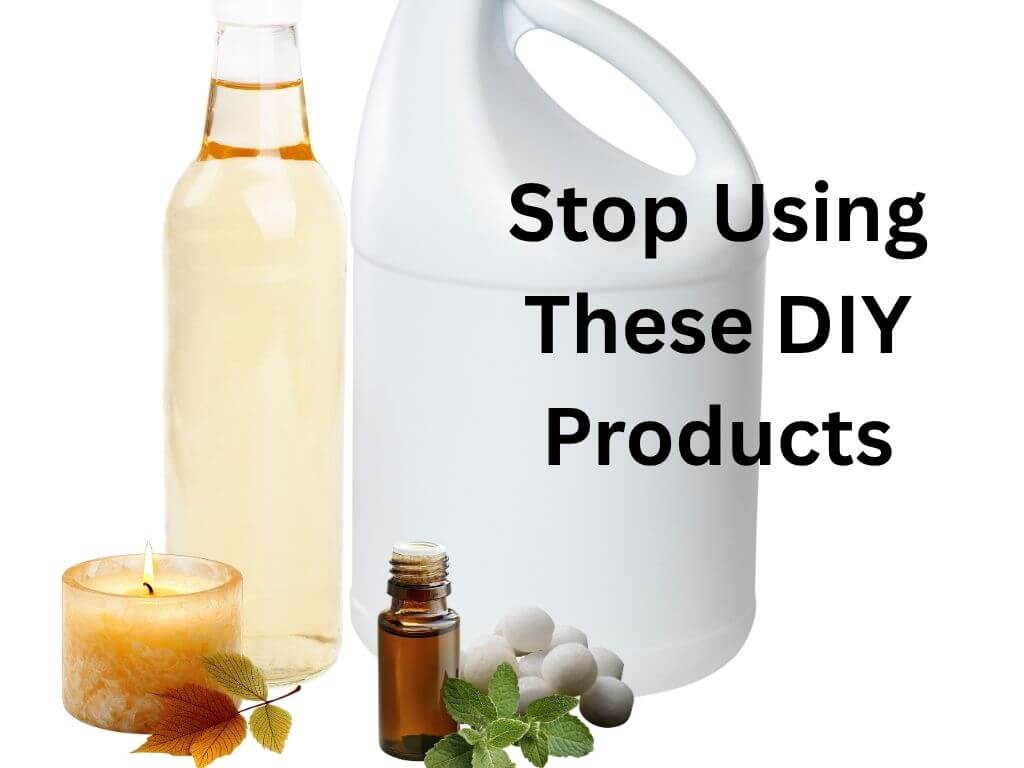
2. Vinegar Sprays: The All-Hailed Solution to Everything

Vinegar is a top recommendation in DIY cleaning groups, with users claiming it repels pests and even dissolves their hard shells. It’s often sprayed directly on visible pests or ant trails.
The Problem:
- Chitin Resistance: The primary claim that vinegar dissolves insect exoskeletons is a myth. Chitin, the tough structural substance that makes up an insect’s shell, is resistant to mild acids like vinegar.
- Weak & Temporary Effect: Diluted vinegar has an even weaker effect, reducing its impact to negligible levels. Any repelling effect it might have is temporary, as the vinegar does not have a strong residual odor after it evaporates.
- Trail Disruption, Not Prevention: Spraying vinegar on ant trails may temporarily disrupt their pheromone signals. However, this is a very short-term win—it does not prevent ants from simply creating new trails or, crucially, reinfesting your home from the main nest.
3. Bleach: The Hidden Dangers in Your Drain
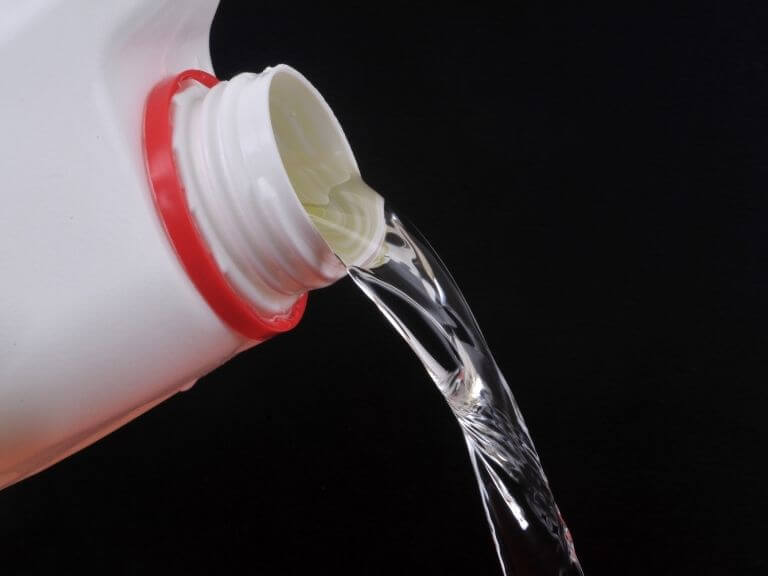
Many Singapore homeowners pour bleach down their drains, believing the strong chemical will kill persistent pests like drain flies, maggots, and cockroaches. This “out of sight, out of mind” solution carries serious risks.
The Problem:
- Ineffective Penetration: The assumption that bleach will kill everything is wrong. Bleach only works on surfaces. Maggots and larvae thrive deep within the organic sludge and debris inside your pipes, where the bleach runs over them too quickly to be effective [1]. Pests can easily survive.
- Impractical Exposure Time: Bleach requires prolonged exposure to effectively kill pests—a duration that is simply impossible to maintain in a flow-through drain system.
- Deadly Fumes: Mixing bleach with ammonia (found in many popular drain cleaners or other household products) instantly produces toxic chlorine gas, which can be deadly, posing a critical safety hazard to your family.
- Corrosive Damage: Over time, pouring corrosive bleach down your pipes will degrade and damage your plumbing and rubber seals, leading to costly leaks and repairs.
4. Fly Zappers: The Contamination Hazard
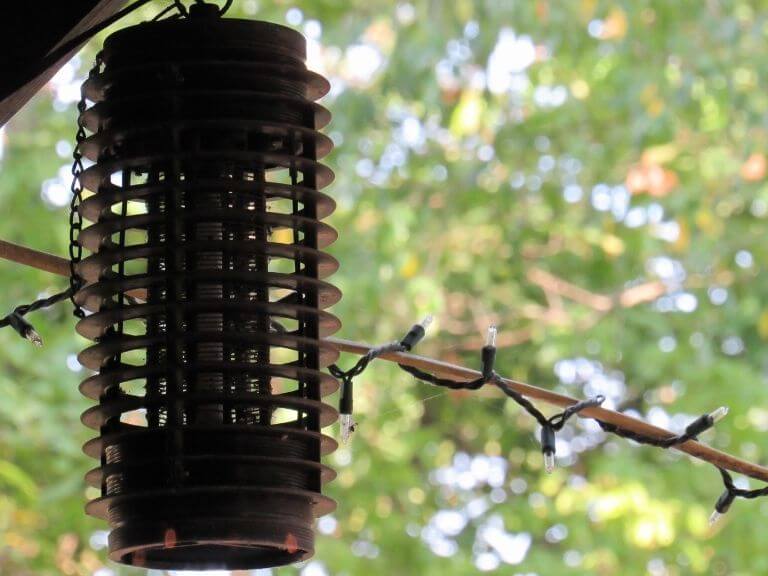
These devices electrocute or trap flying pests like mosquitoes and flies, giving you the immediate satisfaction of a zap.
While the zap of an electric fly killer or zapper can feel satisfying, this DIY method is a hidden health hazard, especially in kitchen or dining areas.
The Problem:
- Aerosolized Bacteria: When a fly is electrocuted, its body explodes into tiny fragments that can be launched up to six to seven feet away from the device. Since flies pick up millions of germs (like Salmonella and E. coli) from feces and garbage, these microscopic “blow-outs” contaminate nearby food, kitchen counters, and utensils.
- Symptom Treatment: Like sticky traps, zappers only kill adult pests and fail to target the essential breeding source (e.g., stagnant water or food waste). You are creating a health risk while allowing the next generation of pests to hatch.
5. “Magic” Chalk or Insecticide Marker

Inexpensive chalk, often imported, is sometimes marketed as an instant barrier against ants and roaches.
The Problem: These products often contain powerful, unregulated, or even illegal pesticides that are not approved by the NEA for residential use. They can pose severe health risks, especially to children and pets, through contact or inhalation. Relying on an unregulated product compromises the safety and health guarantees that NEA-licensed products provide.
6. Moth Balls (Naphthalene or Paradichlorobenzene)
Commonly placed in cabinets or near drains to repel cockroaches and rodents.
The Problem: Moth balls release toxic chemical fumes that are intended to kill clothes moths in sealed containers. When used openly in a home environment, they are a serious health hazard. The fumes are toxic to humans and pets, can cause respiratory issues, and do not effectively deter determined pests from entering your home.
7. Diesel or Kerosene (Fueling Danger)
Some older DIY remedies call for pouring diesel or kerosene into drains or cracks to eliminate pests.
The Problem: This is extremely dangerous. These highly flammable liquids introduce a significant fire hazard into your home. They contaminate the environment, soil, and water systems, and the fumes are toxic to breathe. Do not use flammable liquids for pest control.
8. Citronella Candles

Citronella candles, torches, and essential oil diffusers are widely marketed as natural ways to keep mosquitoes and other flying pests at bay. Homeowners rely on their pleasant scent, but the science tells a different, risky story.
The Problem:
Misplaced Trust: Placing trust in a weak solution like a candle or oil means you are exposed to potentially disease-carrying pests like the Aedes mosquito without knowing it. While Geraniol-based candles may offer slightly better protection, they are still not a reliable long-term solution compared to NEA-approved methods for source elimination.
Scientifically Ineffective: Studies show that burning citronella candles provides little to no reliable protection against mosquitoes. In some tests, mosquitoes have been shown to ignore the citronella scent completely and immediately bite the person nearby.
Temporary Deterrent: The slight repelling effect that Citronella oil has works by temporarily masking the scents (like carbon dioxide and sweat) that attract mosquitoes. This effect wears off quickly and is easily dispersed by air movement.
9. Essential Oils (Peppermint, Tea Tree, Garlic, etc.): Not for Infestations

Many homeowners try to create DIY sprays using household items and potent essential oils like peppermint, tea tree, eucalyptus, and even kitchen ingredients like garlic or chili powder, believing that a strong natural odor will drive pests away permanently.
The Problem:
Ignores the Root Cause: Relying on these sprays means you are simply masking the problem. Professional NEA-licensed treatments identify and eliminate the hidden harborage areas (nests, breeding grounds, and entry points) that natural sprays simply cannot reach or destroy.
Deterrent vs. Killer: All essential oils and natural ingredients act as short-term repellents at best. They may temporarily mask the scent of food or the pheromone trails of pests, causing them to move away for a few hours. They do not contain the active ingredients required to eliminate eggs, larvae, or the entire colony.
Rapid Evaporation: Most essential oils are highly volatile and evaporate quickly, meaning their repellent effect vanishes within minutes or hours. This requires constant, time-consuming reapplication to maintain even a negligible deterrent effect.
Dilution Failure: Homeowners often dilute these oils or ingredients too much, rendering them harmless to pests but still pleasant (or noticeable) to humans. Concentrated, unapproved use, however, can damage furniture, irritate skin, or cause respiratory issues in people and pets.
The A-Flick Difference: Proven, Licensed, and Quality-Assured
When DIY fails, the pest population has time to multiply, turning a small problem into a costly emergency. This is where A-Flick’s expertise becomes your best investment.
Stop guessing with dangerous, unreliable remedies. Invest in a permanent, professional solution.
Schedule your no-obligation consultation with an A-Flick NEA-Certified specialist today.