
The Pest Detective: What to Look for During Your Singapore Spring Cleaning
The turn of the year marks the traditional time for spring cleaning—a massive deep clean that leaves your Singapore home feeling fresh and organized. As you move furniture, empty closets, and confront neglected corners, you become a “Pest Detective” with a unique chance to uncover infestations that have been growing silently.
Recognizing the subtle signs of pests is the key to protecting your property and health. If you spot these clues, don’t just spray and hope; you’ve found the evidence that mandates a professional solution.
Here is A-Flick’s guide on the specific signs to look for during your clean, categorized by pest.
1. Termites: The Silent Structural Threat
Termites are secretive, social insects that feed on cellulose, the main component of wood. Your spring clean may bring you face-to-face with the evidence of these destructive pests.
The most common termites in Singapore are Subterranean Termites, which live in large underground colonies and require contact with soil and moisture. Less common, but still found, are Drywood Termites that live entirely within the wood they consume and do not require ground contact. Check out our guide on the differences between the two group of termites.
What to Look For During Cleaning
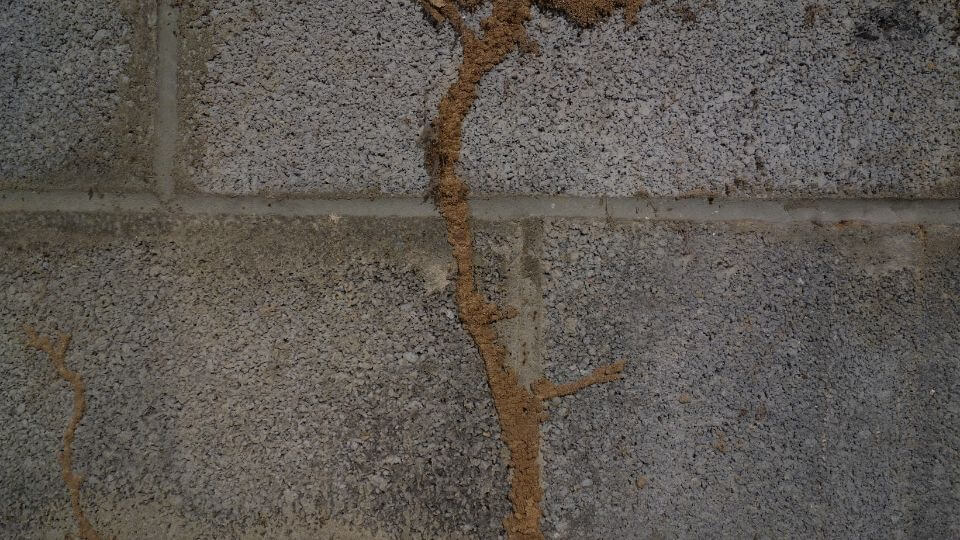
- Mud Tubes: Pencil-sized dirt tunnels running along walls, skirting boards, or foundation. These are the protective highways of subterranean termites. Do not disturb them or spray anything. Call a professional pest control company like A-Flick to handle this destructive pest.
- Powder-liked frass: Tiny, hard, pellet-like droppings that resemble sawdust or coffee grounds. These are the excrement of drywood termites, often pushed out of small kick-out holes in the infested wood. They are often found underneath wooden furniture.
- Damaged Wood: Wood that sounds hollow when tapped, or has a honeycombed pattern of damage beneath the surface.
Did you know? The treatment for Subterranean and Drywood Termites is vastly different. Contact A-Flick for expert advice on how to deal with them!
2. Rodents (Rats and Mice): Hygiene Hazards
Rodents are notorious for carrying diseases and causing damage by gnawing on wires and pipes. They seek warmth, shelter, and a steady food supply, often nesting high in false ceilings or low behind appliances.
Rodents are mostly nocturnal and breed rapidly. They constantly chew to wear down their continuously growing incisor teeth. They feed on nearly anything, including pet food, stored grains, and garbage.
What to Look For During Cleaning
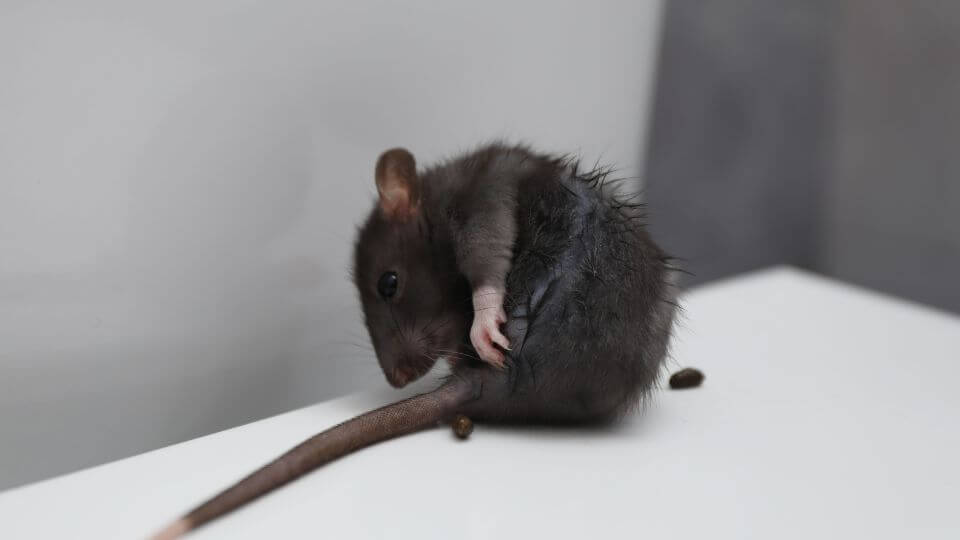
- Droppings: Small, dark, pellet-like feces, typically found in concentrated clusters inside pantries, under sinks, or near electrical wires.
- Gnaw Marks (Chew Marks): Small, parallel scratch marks on wood, plastic containers, and especially electrical cables.
- Urine: Rodent urine emits an unmistakable foul smell. It is likely found at undisturbed corners or card boards.
3. Case-Making Clothes Moths: The Fabric Feeders
Case-making clothes moth larvae are the culprits that damage clothing and fabrics. They are often found in dark, undisturbed storage areas and wardrobes.
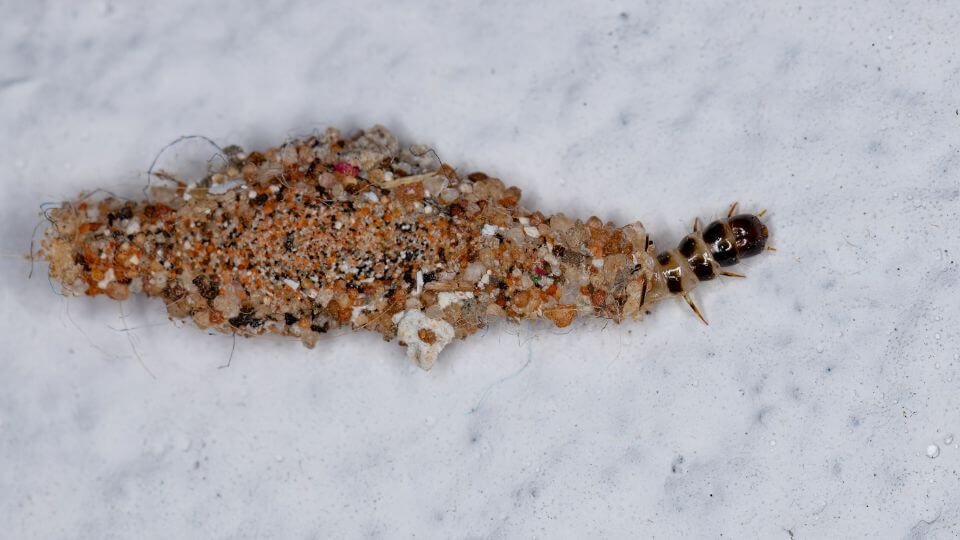
The destructive larvae spin a silken case around itself for protection and carries it everywhere, only extending its head and legs to feed. Adults (moths) are harmless but signal an ongoing infestation.
What to Look For During Cleaning
- Small Holes: Random, tiny holes in fabrics like wool, silk, fur, or stored garments.
- Silken Cases: Small, spindle-shaped silken tubes (the larval case), often stuck to fabric or found on the wall or closet. The size of the case varies based on the size of the larva.
4. Silverfish: The Moisture and Paper Lovers
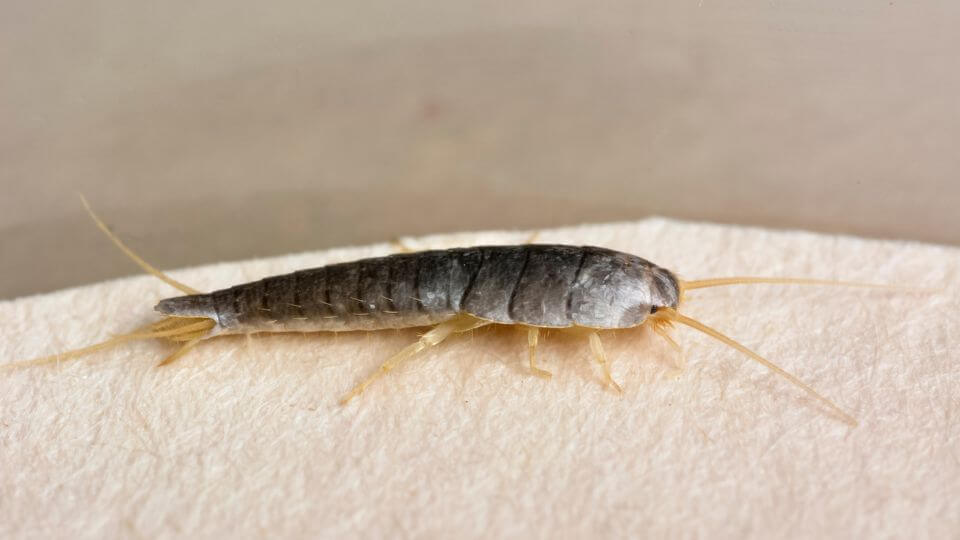
Silverfish are wingless insects that thrive in high-humidity environments. They feed on starches, sugars, and polysaccharides found in glues, paper, and certain fabrics.
Being nocturnal and fast-moving, silverfish preferring dark, damp areas like bathrooms, storage closets, and beneath floorboards or mattresses.
What to Look For During Cleaning
- Damage to Paper: Scraping, etching, or small holes in books, wallpaper, or stored cardboard.
- Small, Yellowish Stains: Stains left by their discarded scales, or tiny, pepper-like feces found near food sources like book spines or under mattresses.
5. Ants: The Trailblazing Nuisance
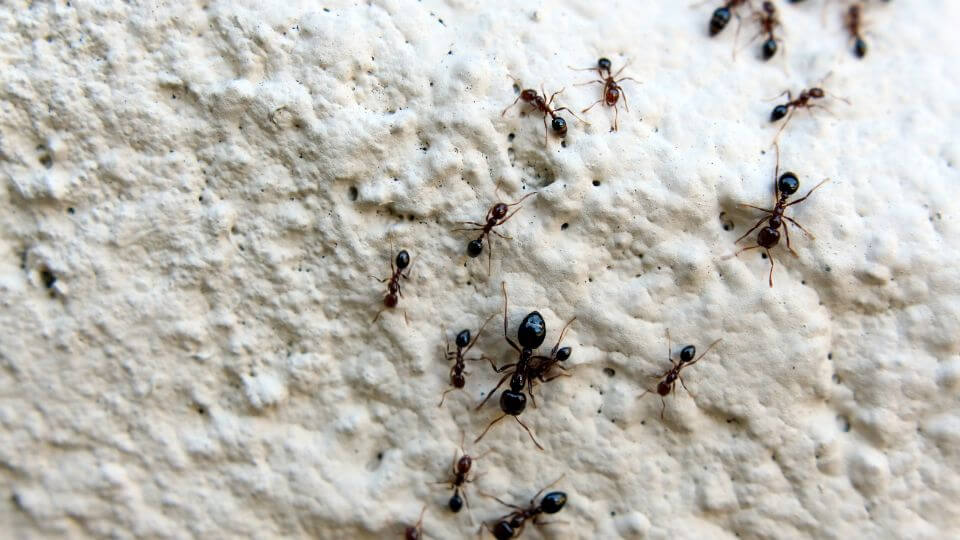
While common, finding persistent ant trails during your spring clean can signal a nest is established inside the structure of your home (e.g., in a wall void or under a concrete slab), not just a foraging party.
Ants are social insects that organize into large colonies. They leave pheromone trails to guide workers to food sources.
What to Look For During Cleaning
- Persistent Trails: Active, defined ant trails leading into and out of cracks, behind kitchen tiles, or near window frames, especially after you’ve thoroughly cleaned.
- Piles of Soil/Dust: Small piles of fine soil or dust (often near skirting boards or electrical outlets) indicating they are excavating a nest indoors.
Call the Experts
Finding pest evidence during your spring cleaning is not a failure; it’s a vital discovery.
You’ve done the hard work of identification. Now, it’s time for the professional solution. You can spray the visible insects, but you cannot eliminate the source—the termite colony underground, the rodent nest in the ceiling, or the silverfish breeding under the floorboards.
Don’t panic—call A-Flick today!
Contact us to schedule your post-spring cleaning treatment. Our experts are ready to ensure your Singapore home is fully protected, giving you the peace of mind you deserve for the year ahead.