
The Expert’s Guide to the Best Mosquito Repellent for Singapore
That familiar, high-pitched “buzz” near your ear is more than just an annoyance in Singapore. It’s a serious warning. With the constant threat of dengue fever, protecting yourself and your family from mosquito bites isn’t just about comfort—it’s a critical partof your personal health and safety.
As pest control professionals, we spend our days managing mosquito populations at their source. But when you’re out at a park, a BBQ, or just walking in a nature reserve, your first line of defense is a personal repellent.
The problem? The shelves are full of options, from “100% natural” sprays to heavy-duty lotions. As experts in entomology, we’re here to help you cut through the noise and choose a repellent that is scientifically proven to work.
Your #1 Rule: Only Use NEA-Registered Repellents
Before you even look at the price or the scent, this is the most important step: check if the product is registered with Singapore’s National Environment Agency (NEA).
Under the Control of Vectors and Pesticides Act (CVPA), all repellents and pesticides intended for use against mosquitoes must be registered with the NEA before they can be legally sold, advertised, or supplied in Singapore.
Why is this so important?
This registration isn’t just red tape. It is your single best guarantee that the product in your hand has been evaluated by the NEA for both safety and efficacy. An unregistered product—no matter what claims it makes—has not passed this critical local standard (unless they are exempted for certain reasons).
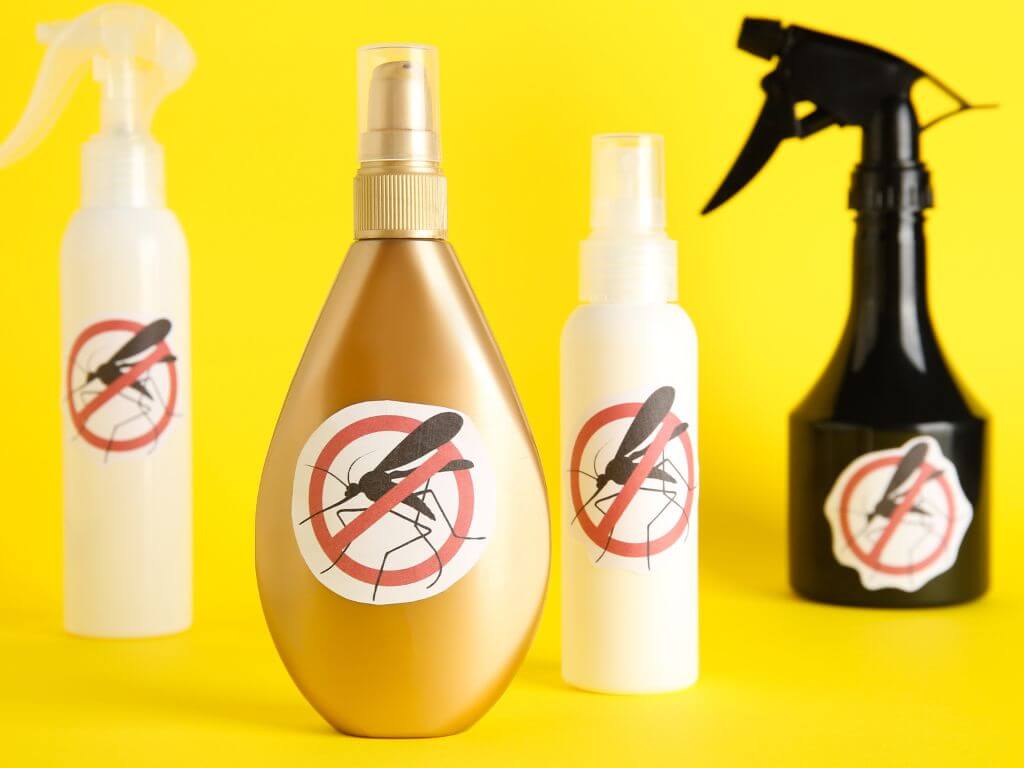
How to Check for NEA Registration
You can find a product’s registration status by looking for the official NEA registration mark and registration number on the product label. You may refer to NEA’s guideline here.
If a repellent doesn’t have this mark, an expert would not recommend it.
The Active Ingredients the NEA Trusts
When a repellent is registered with the NEA, it is because it contains active ingredients that are scientifically proven to be effective. The NEA, in its public advisories, consistently highlights these three ingredients as the most effective for long-lasting protection:
- DEET (N,N-diethyl-m-toluamide)
- Picaridin (also known as Icaridin)
- Ethyl butyl acetyl aminopropionate (commonly known as IR3535)
These ingredients are far more effective and provide significantly longer protection than “natural” repellents based on plant oils like citronella, which the NEA notes are less effective.
Let’s break down the two most popular and effective choices.
DEET: The Gold Standard
What it is: DEET has been the “gold standard” of insect repellents for over 60 years. It is one of the most-studied, most-effective, and most-reliable repellents on the market.
- Why we recommend it: It works, and it lasts. A higher concentration of DEET (e.g., 20-30%) doesn’t mean it’s “stronger,” but it does mean it will last for a longer period of time.
- The Safety Myth: Despite rumors, DEET is considered safe for the whole family (including pregnant women and children over 2 months old) when used as directed.
- The Downside: DEET is a solvent, meaning it can damage some plastics, spandex, or rayon. If you’re wearing synthetic athletic gear or expensive sunglasses, be careful during application. If you are applying sunscreen, make sure you let it dry fully before applying DEET.
Picaridin: The Modern Alternative
What it is: Picaridin is a newer synthetic compound that is just as effective as DEET at repelling mosquitoes.
- Why we recommend it: Picaridin is our top pick for many urban families. It is odorless, non-greasy, and—best of all—it does not damage plastics or synthetic fabrics. This makes it an excellent choice for active individuals and families with kids who have plastic toys or gear.
- The Takeaway: It offers the same high-level protection as DEET without the smell or the risk to your gear.

IR3535: The Gentle & Effective Choice
What it is: IR3535 (Ethyl butylacetylaminopropionate) is another synthetic repellent that is also registered by the NEA and boasts effectiveness comparable to DEET.
Why we recommend it: Just like picaridin, IR3535 is odorless and is not a solvent, meaning it is safe for plastics, synthetic fibers, and other gear. It’s known for being gentle on the skin while providing solid, reliable protection.
The Caveat: It’s a fantastic all-rounder, but some research indicates it may not be as effective as DEET specifically against Anopheles mosquitoes, which are known to transmit malaria. For Singapore’s primary concern—the Aedes mosquito (which transmits dengue)—it is an excellent and approved choice.
A-Flick’s Expert Advice: What About “Natural” Repellents?
We hear this question all the time. Many people prefer “natural” products, assuming they are safer. But when it comes to mosquito repellents, this assumption can be dangerous.
The Problem with Essential Oils
Repellents based on essential oils like citronella, lemongrass, and peppermint are not recommended by the NEA for reliable protection. Here’s why:
- They are highly volatile: This means they evaporate from your skin very quickly.
- They offer short-lived protection: Scientific studies show that while they might repel mosquitoes for a few minutes, their effectiveness can drop off in as little as 20 minutes, leaving you exposed.
In the fight against dengue, you need protection that lasts for hours, not minutes.
The Only Recommended Plant-Based Option
There is one exception: Oil of Lemon Eucalyptus (OLE), which has a synthesized version called p-Menthane-3,8-diol (PMD). This is the only plant-based ingredient that is registered by international bodies like the U.S. Centers for Disease Control (CDC) and has proven, long-lasting efficacy.
Expert Tip: Do not confuse “Oil of Lemon Eucalyptus” (OLE) with “Lemon Eucalyptus Essential Oil.” They are not the same thing. OLE is a refined, proven repellent. The essential oil is not and will not offer the same protection.
How to Prevent Mosquito Bites (The Right Way)
Choosing the right product is only half the battle. Using it correctly is just as important.
- Sunscreen First, Repellent Second: If you are using both, always apply sunscreen first. Let it dry for 15 minutes, then apply your repellent on top. This is especially crucial when using DEET, since sunscreen will increase the absorption of DEET into the skin.
- Apply to Exposed Skin Only: Do not apply repellent under your clothing.
- Never Spray Your Face: Spray the repellent onto your hands first, then rub it onto your face, avoiding your eyes and mouth.
- Wash Your Hands: After application, wash your hands thoroughly to avoid getting the product in your eyes or mouth.
- Follow the Label: Always read the product label for specific instructions on reapplication.
Your Personal Shield vs. Your Home’s Defense
Using a good repellent is your personal shield. It’s the “Apply” step in the NEA’s “S-A-W” (Spray, Apply, Wear) campaign.
But a repellent only protects you, and only when you’re wearing it. It does nothing to solve the mosquito problem at its source: your home and neighborhood.
Mosquitoes breed in stagnant water, and the only way to get true peace of mind is to eliminate their breeding grounds. This is the “B-L-O-C-K” part of the NEA’s dengue prevention plan.

While you protect yourself with repellent when you go out, let A-Flick protect your home. We are experts in identifying and eliminating mosquito breeding sites, offering general mosquito control treatments that attack the problem at its source.
Don’t just repel mosquitoes—eliminate them. Contact A-Flick today for a comprehensive consultation on our general mosquito control services and make your home a true safe zone.