Pest Control Prep: Your Stress-Free Checklist to Get the Most Out of PCO Service
Facing a pest problem in Singapore? You’ve made the smart choice by choosing the right pest control operator! Our goal is to make your home safe and pest-free, and a little preparation on your end can make our service faster, more effective, and longer-lasting.
We know you have questions like “what to expect from pest control treatment” and what you need to do beforehand. This ultimate pest control preparation checklist will guide you step-by-step, ensuring a smooth process, regardless of whether you’re dealing with cockroaches, termites, or general household pests.
🏠The First Truth: Do You Need to Leave the House?
This is the number one question we hear, and it’s a major misconception: You usually do not need to evacuate your entire home for a standard pest control service.
For most routine treatments (like residual sprays or baiting for ants, cockroaches, or general pests), it’s often safe to remain inside, perhaps just stepping out of the immediate treatment area for a short time. Your technician will always communicate any safety requirements based on the specific chemicals and methods being used.
However, for intensive treatments, such as space spraying, temporary evacuation may be necessary for a few hours. Always defer to the licensed technician’s safety instructions.
General Preparation (Applies to All Services)
These steps are crucial for any pest control visit and are designed to make sure the treatment product reaches where the pests are hiding.
- Declutter and Tidy: Clear floors, counters, and shelves, especially in the kitchen and bathroom. Pests thrive in clutter, and clutter also blocks our access to treat nesting sites.
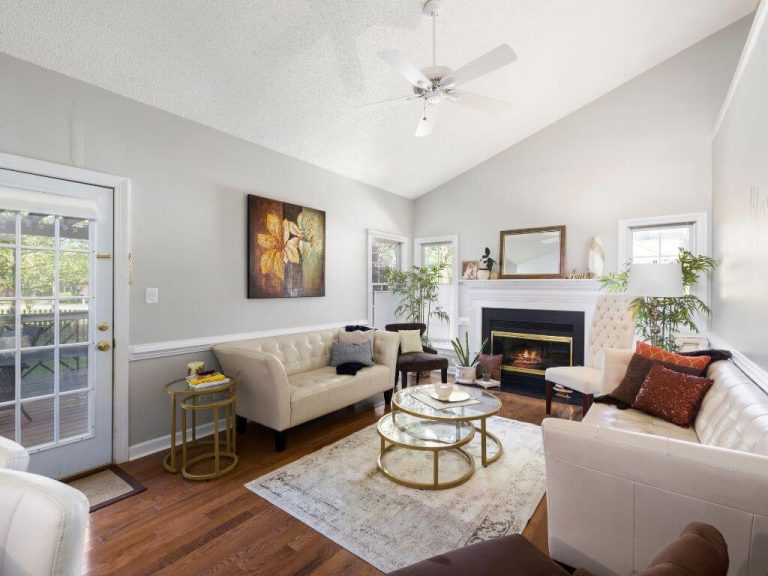
- Move Furniture Away From Walls: Pull major furniture (sofas, tables, shelving units) about 1 to 2 feet away from baseboards. This gives our team clear access to apply treatment along the most critical entry points and pathways.
- Cover or Store Food Items: All exposed food, utensils, and small appliances in the kitchen should be sealed and stored away, preferably inside cabinets or the refrigerator. This is non-negotiable for safety.
- Secure Personal Items: Put away loose items like toys, magazines, laundry, and toiletries. This prevents them from coming into contact with treatment and saves you cleanup time later.
Service-Specific Checklists
Different pests require different access. Use the pest control preparation checklist that applies to your specific service:
For Cockroaches & Ants (Kitchen & Pantry Pests):
- Empty Under-Sink Cabinets: Remove all cleaning supplies, trash bins, and anything stored beneath sinks. These are prime hiding spots for cockroaches.
- Wipe Down Kitchen Surfaces: A clean surface allows the treatment to adhere properly to the area where the pests travel.
- Empty Out Shelves/Drawers (If Requested): If the infestation is severe, you may need to empty food or utensils from specific drawers or cabinets to allow for detailed crack-and-crevice treatment.
For Bed Bugs:
- Launder All Linens: Wash and dry all bedding, curtains, and clothes in the affected room on the hottest setting possible, then seal them in plastic bags until treatment is complete.
- Clear the Floor: Remove everything from the floor, especially around the bed area, to allow access to the baseboards, bed frame, and mattress.
- Stand Up Furniture: If possible, stand mattresses and bed frames upright to allow the technician to inspect and treat every crack and crevice.
For Termites (Subterranean & Drywood):
- Provide Exterior Access: If treating the perimeter (e.g., using a baiting system or liquid barrier), ensure clear access around your home’s exterior, including any garden beds or landscaping against the wall.
- Clear Attic: If the treatment involves these areas, ensure the access points are clear and easily reachable.
- Indicate Water/Utility Lines: While our professionals are careful, providing details on any recent renovations or hidden utility lines can help prevent accidental damage during drilling or trenching.

After the Service is Done
Preparation doesn’t stop when our technician leaves. A few simple follow-up steps ensure maximum effectiveness:
- Allow Drying Time: Do not wipe down or clean the treated surfaces (baseboards, floors, etc.) for at least 24 to 48 hours to allow the product to fully dry and bond.
- Ventilate: If a heavy treatment was applied, open windows for an hour or two to air out the space before resuming normal activity.
- Wait to Clean: Only perform deep cleaning of the treated areas once the active treatment period is over (your technician will advise). For long-lasting residual treatments, avoid heavy scrubbing of treated areas for as long as possible.
By following this pest control preparation checklist, you partner with A-Flick to ensure our service is targeted, thorough, and highly effective. A well-prepared home is the first step toward a pest-free home!
Ready to Schedule Your Service?
Don’t wait—pests won’t. Let the experts at A-Flick handle your pest problem with our expert service.
Contact A-Flick Today for a Quote or Inspection!