Beyond the Chirp: How to Get Rid of Geckos from Your Singapore Home
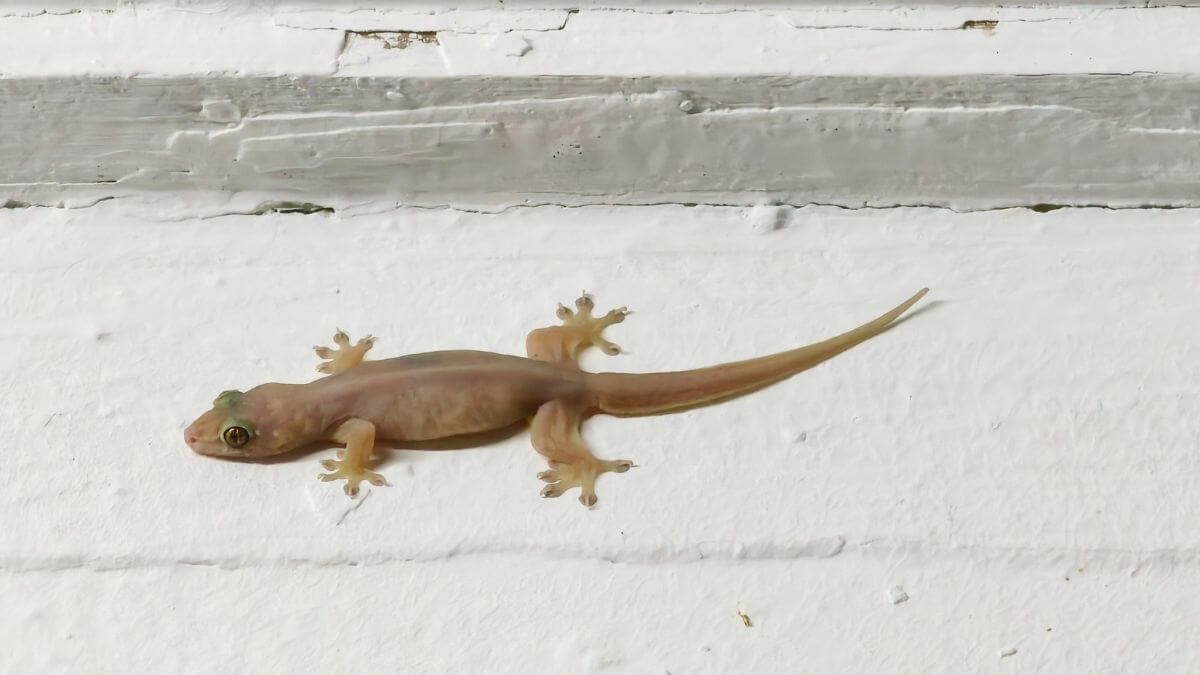
You’re watching a movie, the room is quiet, and then you hear it: a sudden, loud “chuck-chuck-chuck” from the ceiling corner. Or maybe you’re making coffee and spot those tiny black and white droppings across your countertop. That’s the sign of the common house gecko, a ubiquitous presence in Singapore homes.
For many homeowners, the sight of a gecko is unsettling. There’s the sheer unsightliness of them scampering across a pristine wall, the fear of them dropping from the ceiling, and the annoyance of their noisy chirps. But the biggest problem is far more serious: the unhygienic trail of urine and droppings they leave behind.
At A-Flick, we know that to truly get rid of geckos, you must eliminate two things: their food and their access. We focus on non-chemical, structural solutions that bring lasting peace.
Why Geckos are an Unwanted Roommate
The primary complaint about geckos isn’t their appearance; it’s the aftermath and the potential risk they introduce to your living space.
The Health and Hygiene Risk
The droppings geckos leave—small, dark pellets with a white uric acid cap—are not just unsightly stains. They pose a significant hygiene risk. Gecko droppings and urine can carry bacteria like Salmonella, which can cause food poisoning if they contaminate food preparation surfaces, dining areas, or children’s toys. When these droppings fall from the ceiling onto food or surfaces, the contamination is real.
The Food Connection
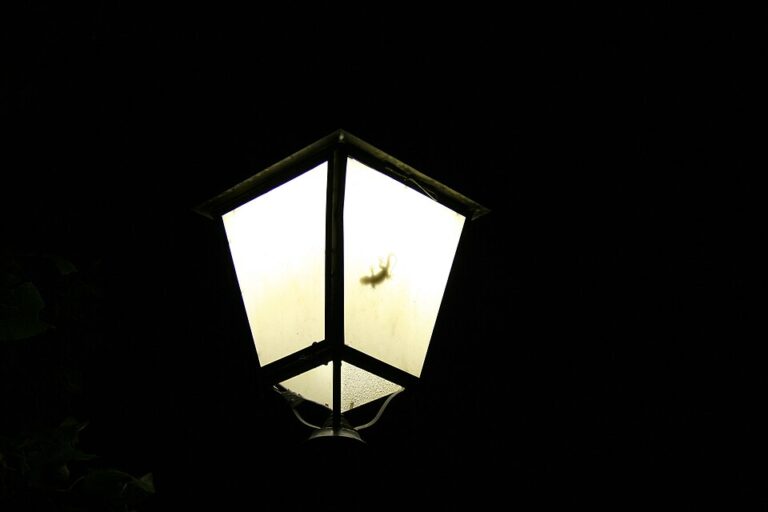
Geckos are not living in your home by accident; they’re there for the all-you-can-eat buffet. They are expert hunters, drawn primarily to small insects that gather around light fixtures at night.
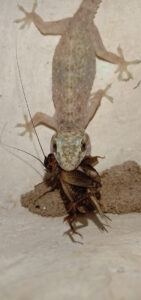
- Gecko’s favorite meals: Flies, mosquitoes, ants, moths, spiders, and especially small cockroaches and silverfish.
- The lesson: If geckos are thriving, it confirms you have a separate, unchecked insect population providing them with a steady food source. Addressing this underlying problem is the single most effective way to eliminate geckos.
The Ineffectiveness of DIY Repellents
When homeowners call us, they’ve often tried every popular home remedy, only to be disappointed. For effective, reliable gecko management, you need a physical solution, not a hopeful deterrent.
- Electronic Repellents: Devices that emit ultrasonic sounds are highly unreliable. The sound waves are often blocked by furniture and walls, and geckos quickly become accustomed to the noise, rendering the device useless.
- Repellent Plants & Scents: Using things like garlic, eggshells, or strong essential oils is simply not an effective control method. These items are inconvenient, require constant replacement, and don’t address the gecko’s powerful hunger for real insect prey.
The A-Flick Solution: Proofing and Targeted Trapping
Since we don’t use chemical sprays or broad treatments for geckos, A-Flick’s strategy focuses on exclusion (proofing), food source reduction and direct physical trapping to secure your home.
1. Proofing: Eliminate Entry Points
The most durable, long-term solution is to block their access. This is known as exclusion or pest proofing.
- Seal Cracks and Crevices: Geckos can slip through surprisingly small gaps. Inspect the perimeter of your windows, door frames, and any utility entry points (like air conditioner piping) that lead outside. Seal these tightly with durable caulk or steel wool, denying them their main routes into the air-conditioned, insect-rich interior.
- Secure Lighting Areas: Geckos often hide behind wall-mounted lights, picture frames, and near ceiling edges. Ensure all fixtures are properly sealed to the wall or ceiling to reduce their shelter options.
- Reduce Outdoor Light Attraction: Geckos are attracted to the insects that swarm bright lights. Consider using less-attractive yellow LED bulbs in outdoor fixtures near windows and doors.
2. Reduce the Food Source (Pest Control)
Credit: Sanjeevi100/ CC BY-SA 4.0
A gecko infestation is a secondary pest problem. If you eliminate the gecko’s food, the geckos will starve or move out in search of sustenance.
- This involves actively controlling flies, moths, cockroaches, and spiders. Our general pest control services are designed to eliminate these primary insects, effectively cutting off the gecko’s lifeline and forcing them to leave naturally.
3. Targeted Sticky Trapping (Direct Removal)
When exclusion and food source reduction need a boost, targeted trapping is the direct removal method. Sticky traps are simple, pesticide-free, and effective for capturing geckos that are already inside.
- Strategic Placement: Place traps along baseboards at the corners, behind appliances, inside unused cabinets, and near light sources where you see high activity or droppings.
- Safety Precaution: If you use sticky traps near the floor, place them in secure, covered areas (like inside cabinets or behind appliances) to avoid accidentally trapping pets or children.
Secure Your Home, End the Nuisance
Don’t live with the unsightly droppings and the lingering worry of contamination. A gecko infestation is a sign of an underlying vulnerability in your home’s pest defenses.
If you’re ready to remove geckos and eliminate the insects that attract them, it’s time to call A-Flick.