Do Rodent Repellents Actually Work? The Science Behind the Scent
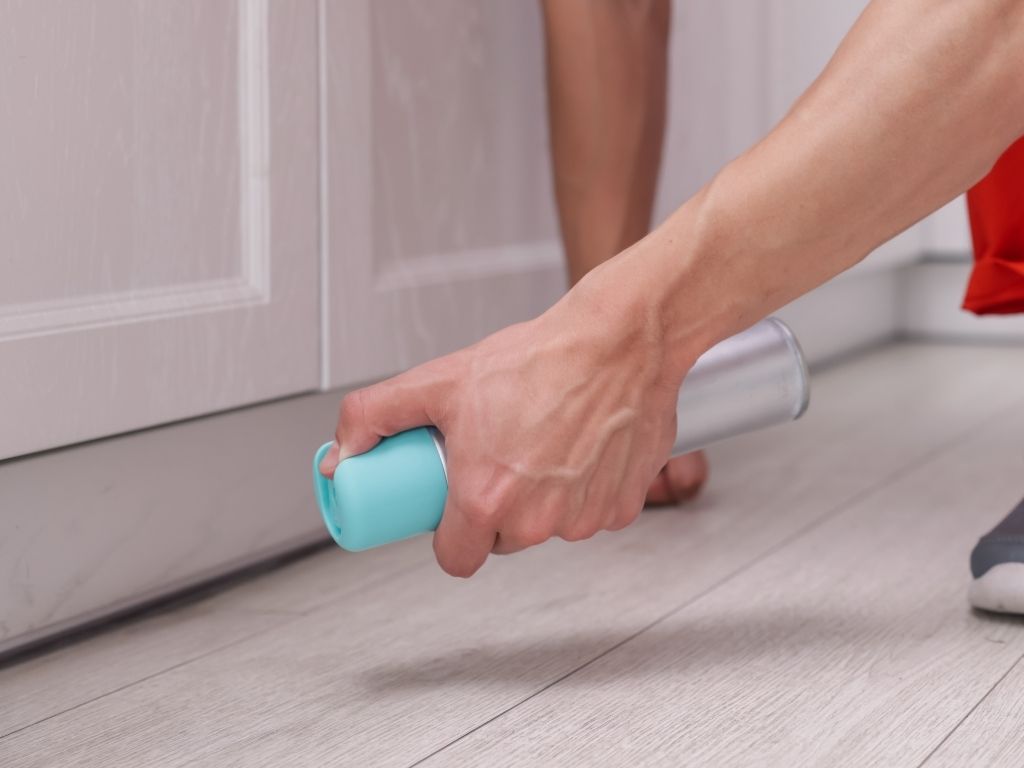
Walk into any hardware store in Singapore and you will find a shelf dedicated to “magic” solutions. There are ultrasonic plugins that promise to blast rats away with sound, and sprays that claim to use the power of peppermint or predator scents to keep them at bay.
It is an attractive promise. We all want a solution that is “safe,” non-toxic, and doesn’t involve handling a dead pest. But if these repellents were truly effective, would the pest control industry still exist?
At A-Flick, we often get calls from homeowners who have already spent hundreds of dollars on these products, only to find droppings right next to the repellent bottle. Here is the truth about why repellents fail to protect your home.
The “Lab vs. Life” Reality Gap
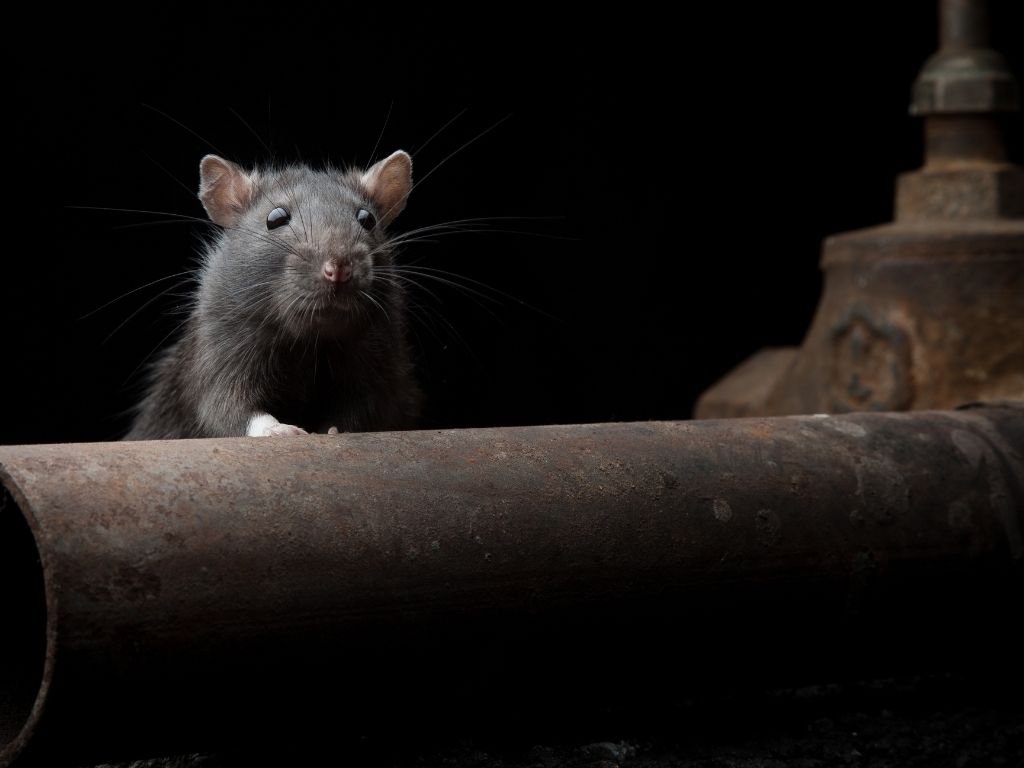
The biggest issue with rodent repellents is not that they are fake; it is that they are often tested in perfect conditions that do not match reality.
In a laboratory, researchers might place a rat in a small glass box with two chambers: one with a repellent and one without. In this controlled environment, the rat will almost always choose the side without the smell. However, your home is not a glass box. It is a complex ecosystem with food, water, and shelter.
A study published in Frontiers in Ecology and Evolution highlights this disconnect. It explains that while predator cues (scents) might trigger a reaction in a lab, wild rodents in the field often ignore them if the motivation to find food is strong enough. You can read the full study on why predator cues fail in the field here.
The Fox Urine Myth
One of the most specific questions we get is about fox urine. It sounds logical: foxes eat rats, so the smell of fox urine should scare rats away, right?
There is scientific truth to this. A component found in fox feces, known as 2,5-dihydro-2,4,5-trimethylthiazoline (TMT), has been proven to induce fear in rats. Research has shown that TMT can trigger a “freezing” behavior in rodents because it signals a biological threat.
So why doesn’t it work in your kitchen?
Two reasons: Habituation and Complexity.
- Habituation: Rats are smart. If they smell a fox but never see a fox, they eventually realize the threat is fake. They “habituate” to the smell and ignore it.
- Complexity: In a Singaporean home, the smell of your leftovers or your pet’s food is often stronger and more attractive than the repellent is scary. Hunger wins every time.
Ultrasonic Devices: The Silent Failure
Another common DIY attempt is the ultrasonic repellent. These devices claim to emit high-frequency sounds that drive pests crazy.
Unfortunately, this is one of the most debunked products in the market. Sound waves behave like light—they cannot penetrate solid objects. If you plug a device behind a sofa, the “protection” stops at the sofa. Furthermore, studies by university extensions have repeatedly shown that commercial ultrasonic devices have little to no effect on established rodent infestations. The University of Arizona’s report on sonic pest repellents concludes that they are generally ineffective for residential use.
The Problem with “Safe” DIY
Many homeowners choose repellents because they want a “safe” option for their kids and pets. But “natural” does not always mean safe.
- Essential Oils: To actually repel a rat, the concentration of peppermint or eucalyptus oil needs to be incredibly high—often high enough to irritate human lungs or harm pets like cats and dogs.
- Ammonia: Some DIY guides suggest using ammonia to mimic predator urine. This is dangerous and can cause respiratory issues for your family.

The A-Flick Alternative: Safe, Controlled, Effective
So, if you can’t scare them away, what can you do?
The alternative is Integrated Pest Management (IPM). “Safe” doesn’t mean weak; it means controlled. At A-Flick, we replace vague repellents with precise tactics:
- Tamper-Resistant Stations: We use professional rodenticides and traps secured inside lockable, heavy-duty boxes. This keeps the solution accessible to rats but completely unreachable by children or pets.
- Exclusion (Proofing): Instead of spraying a smell to keep them out, a concrete seal works better than any repellent ever could.
- Population Reduction: We remove the breeding population rather than just pushing them to a different corner of the room.
Stop Relying on Magic. Start Relying on Science.
If you are tired of buying DIY products that don’t work, let us handle it. We protect your home using methods backed by science, not marketing.