Scurrying Out of the Shower: How to Get Rid of Centipedes in Your Singapore Bathroom
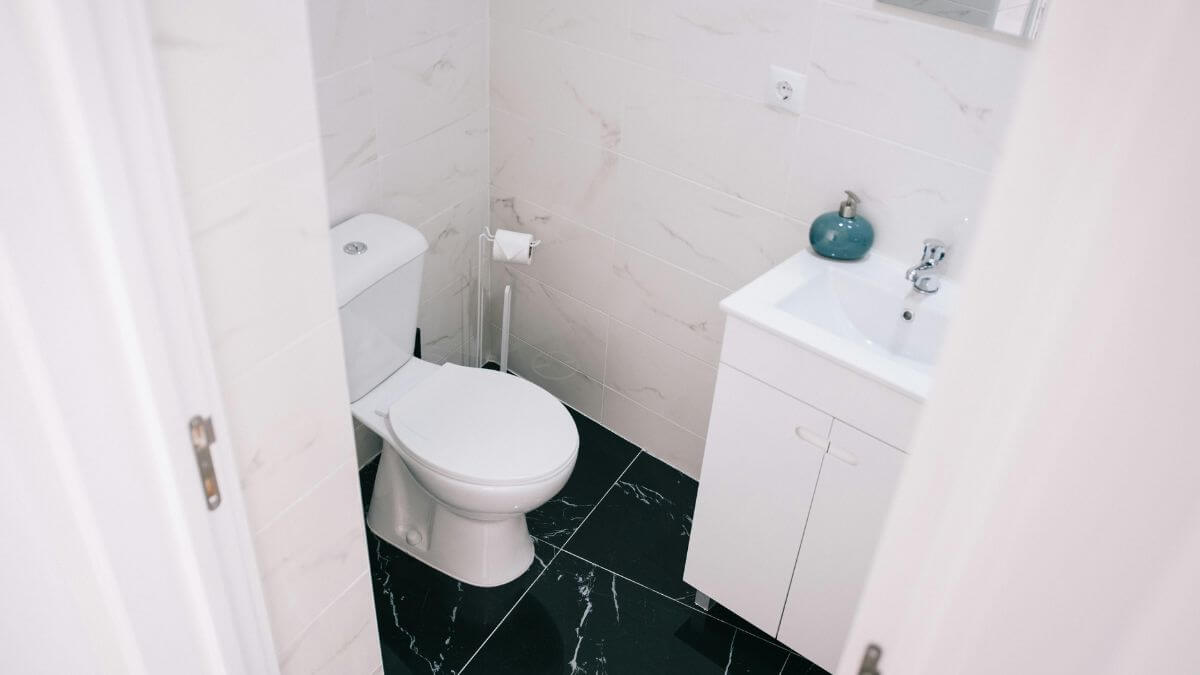
You step out of the shower, reaching for your towel, and there it is: a lightning-fast, multi-legged horror darting across your tiles. For many Singapore homeowners, finding a centipede in the bathroom or near the toilet is one of the most unsettling pest experiences.
That instant visual shock triggers panic, often fueled by fear of their bite or venom. But at A-Flick, we want to shift the focus. Instead of worrying about the single pest you see, you should be asking: “What is this centipede telling me about my home’s condition?”
The presence of a centipede is a clear warning that two conditions exist in your bathroom: high moisture and available food (other insects). Addressing these two factors through physical exclusion and moisture control is the safest and most effective path to a centipede-free home.
Understanding the Centipede and Calming the Nerves
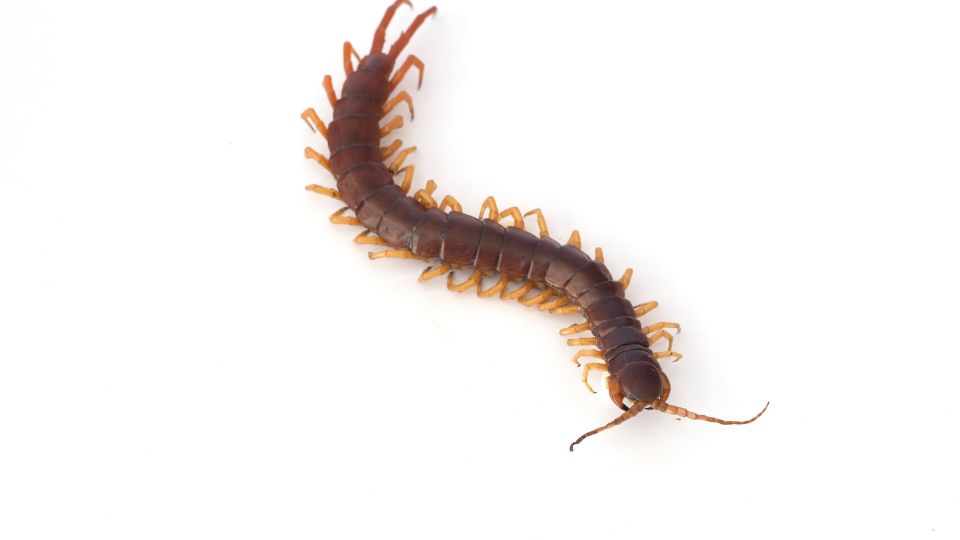
There are several species of centipedes that can be found in Singapore, especially in the wild. Most of the encounters in urban areas are in the bathroom. Larger species may also crawl in from outdoor vegetation drains.
Centipede Venom: What You Need to Know
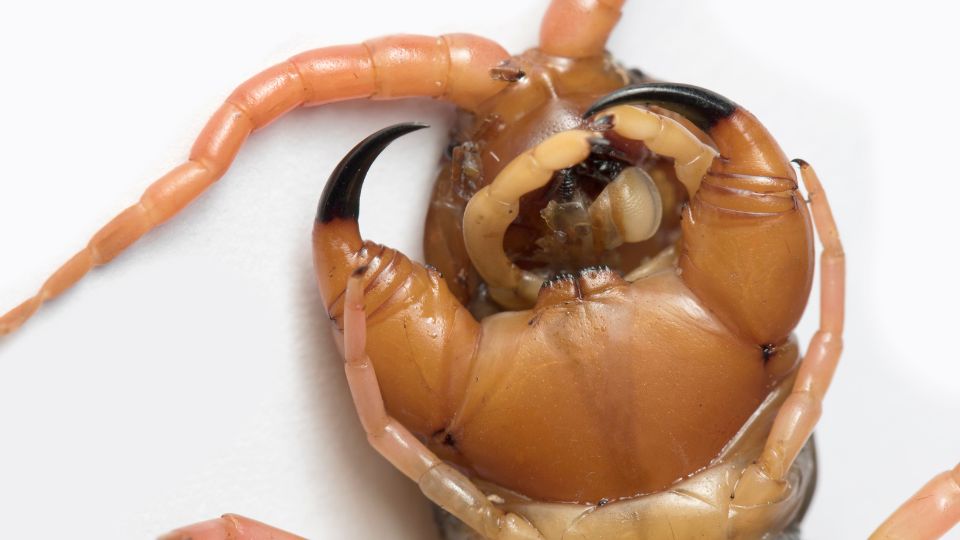
We understand the fear surrounding a centipede’s bite. Centipedes do possess venom claws or fangs (forcipules) near their mouth and can deliver a painful bite if handled or accidentally stepped on.
However, the reality is that the fear often outweighs the risk. Centipede bites are rarely medically significant. While they can cause immediate, localized pain and swelling, they are generally not dangerous or life-threatening to healthy adults. They are far more interested in avoiding you than biting you. The primary risk is often not the centipede itself, but the underlying moisture that allows it and other, more harmful pests to thrive.
The Real Problem: Why Your Bathroom is a Centipede Haven
Centipedes are not looking for you; they are looking for survival. Your bathroom provides three essential elements they need:
- Moisture: Centipedes cannot conserve water efficiently, making high humidity and damp areas—from shower steam and floor puddles to leaking pipes and condensation—vital to their survival.
- Darkness and Shelter: They hide during the day in tight spots: under mats, behind toilet bowls, and inside wall voids.
- Food Source: Centipedes are predators. Their presence is the strongest sign that you have an existing problem with their prey: silverfish, small spiders, and cockroach nymphs.
The A-Flick Solution: Exclusion and Proofing
Since centipedes cannot survive without moisture and entry points, the best way to get rid of them long-term is through strategic physical exclusion—or pest proofing. This non-chemical approach ensures you permanently block their access.
Here is A-Flick’s expert guide to centipede exclusion:
1. Fix the Moisture First
Centipedes are moisture-driven. Eliminate the water, and they will leave.
- Seal Leaks: Inspect the plumbing under your sink and around the toilet tank for any slow drips or chronic condensation. Repair them immediately.
- Dry Surfaces: Do not leave bathmats or wet towels on the floor. Wipe up puddles after showering, paying special attention to corners.
2. Implement Professional-Grade Exclusion
Centipedes enter through the smallest gaps. Stopping them requires precision.
- Seal Cracks and Crevices: Inspect the perimeter of your bathroom. Seal tiny cracks around the baseboards, wall tiles, pipe entry points (under the sink), and window frames with a durable caulk or sealant. Centipedes use these minute voids to travel from the outside or from deep wall voids.
- Install Anti-Pest Floor Traps: Ensure your floor drains have working, anti-pest trap covers to block centipedes and other drain-dwelling insects (like cockroaches) from crawling up from the sewage system.
- Door Sweep Assessment: If your bathroom opens to a patio or exterior area, ensure the door sweep forms a tight seal to prevent centipedes from slipping under the door.
3. Eliminate the Food Supply
A successful centipede exclusion plan automatically addresses their food source. By sealing cracks and reducing moisture, you make the environment unappealing to silverfish and small spiders. If you have a known issue with ants or roaches in the home, addressing those problems is the final step to starving out the centipedes.
Secure Your Home, End the Panic
The brief panic you feel when seeing a centipede should immediately translate into a focus on home maintenance. You don’t need dangerous chemicals; you need a strategic, professional proofing plan.
Contact A-Flick to schedule your Home Pest Proofing Assessment and secure your Singapore home now!